
Great Cities Never Stand Still
National housing trends, Lower Manhattan's next chapter, and the reinvention of a Fifth Avenue icon.
Contents
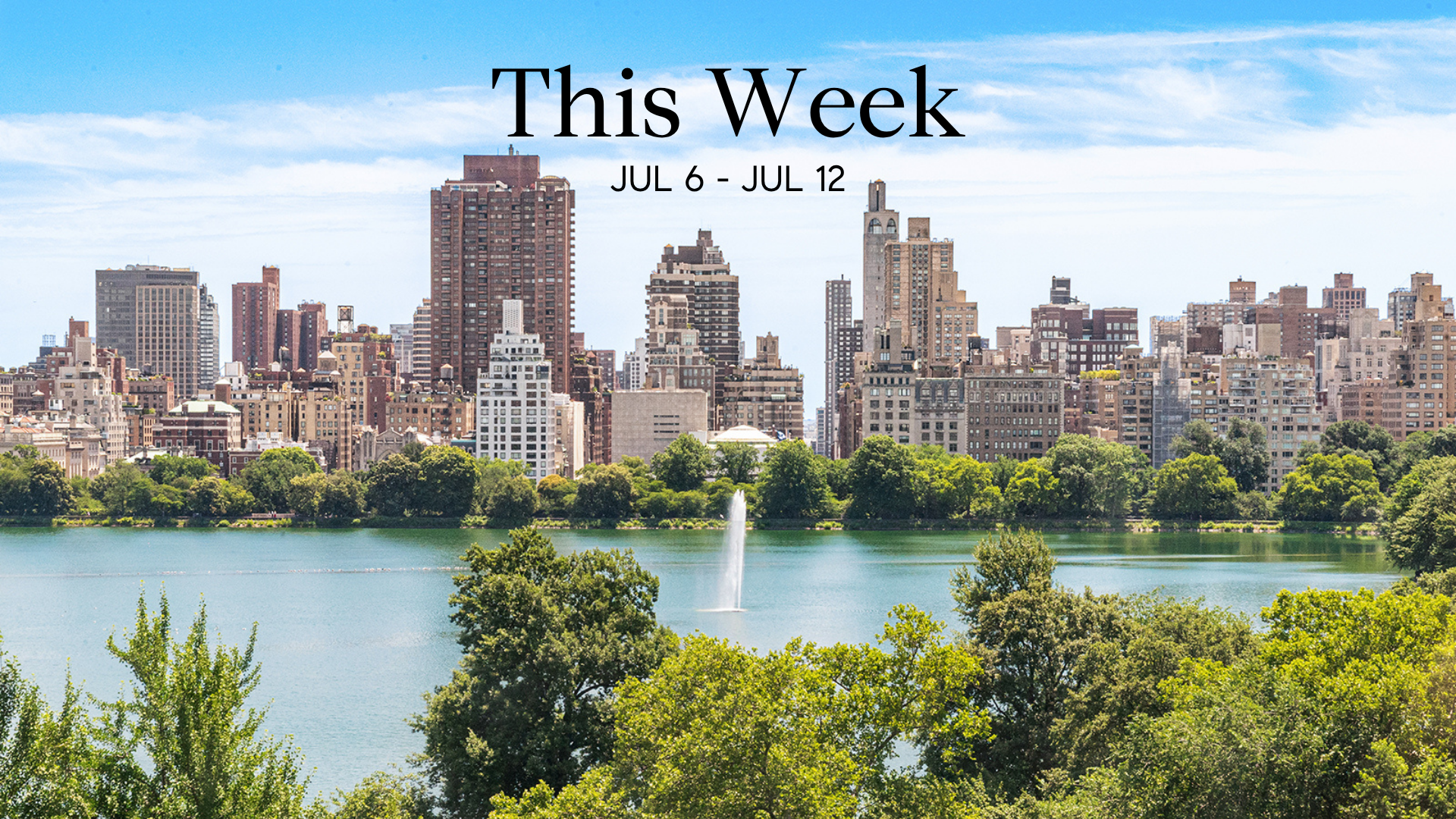
279 Central Park West, 11th floor. Above the treetops, the Jacqueline Kennedy Onassis Reservoir directly across, the skyline stretching south. Waking up to this every morning is what I call quality-of-life living.
Back in the city this week after a wonderful trip to Italy, I found myself looking out over Central Park from my newest listing on Central Park West and thinking about what makes New York so extraordinary.
Interest rates rise and fall. Investors become cautious. Housing markets pause and recover.
Yet the world’s great cities never stop investing in themselves.
This week, that thought stayed with me as I looked at the latest national housing data alongside two very different milestones: the groundbreaking of 2 World Trade Center and the transformation of a historic Fifth Avenue landmark into Shaver Hall.
New York has never stood still. It continues to reinvent itself, invest in its future, and create the places that will define its next chapter.
This Week
- The National Housing Picture — The latest data on today’s market.
- Who Really Owns America’s Homes — Is it the institutional investor?
- 2 World Trade Center — A powerful vote of confidence in Lower Manhattan.
- Shaver Hall — A historic Fifth Avenue landmark reimagined as a world-class culinary destination.
The National Housing Picture
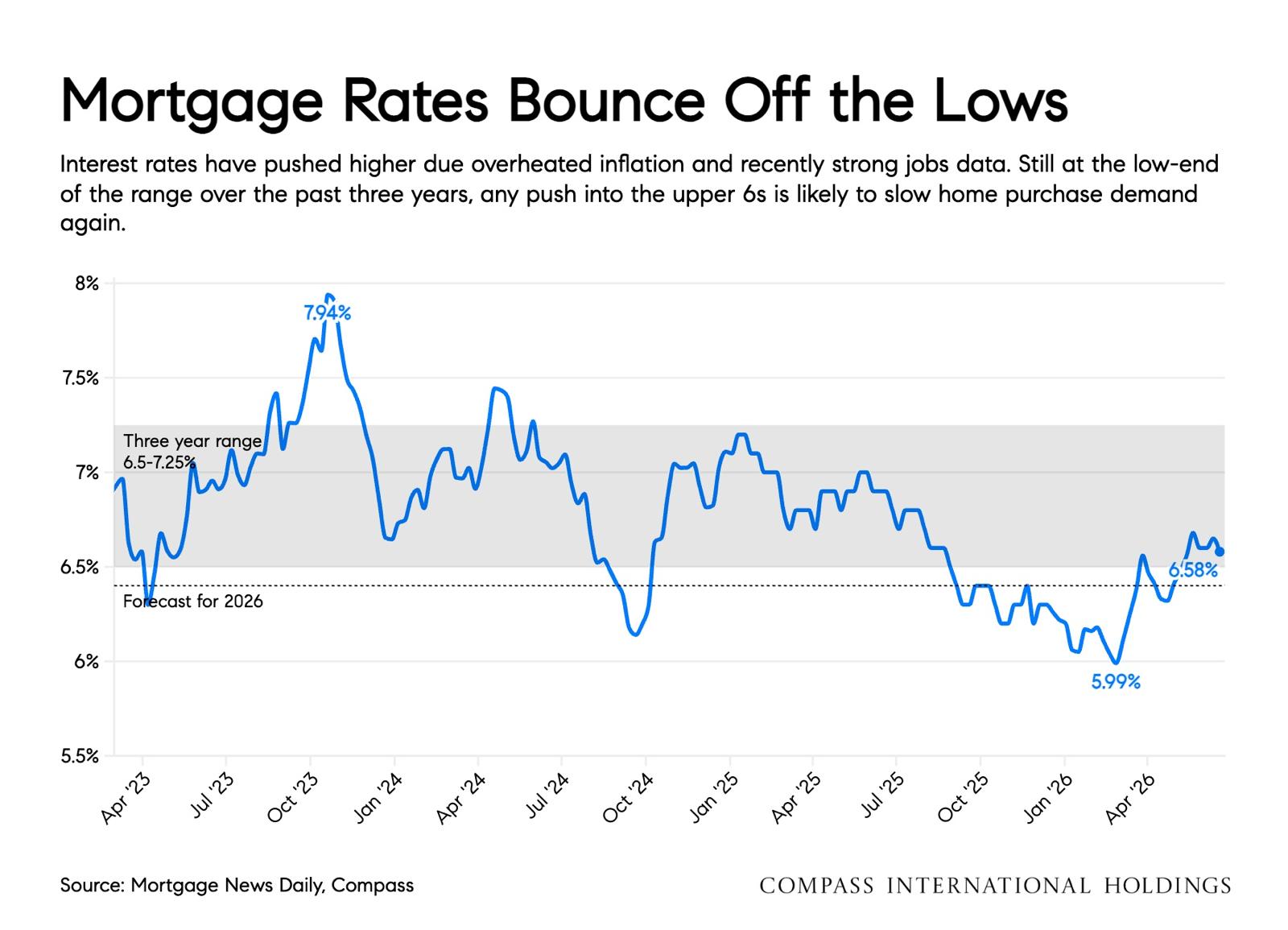
The national housing market remains remarkably resilient, even as it continues to navigate higher borrowing costs and persistent inflation.
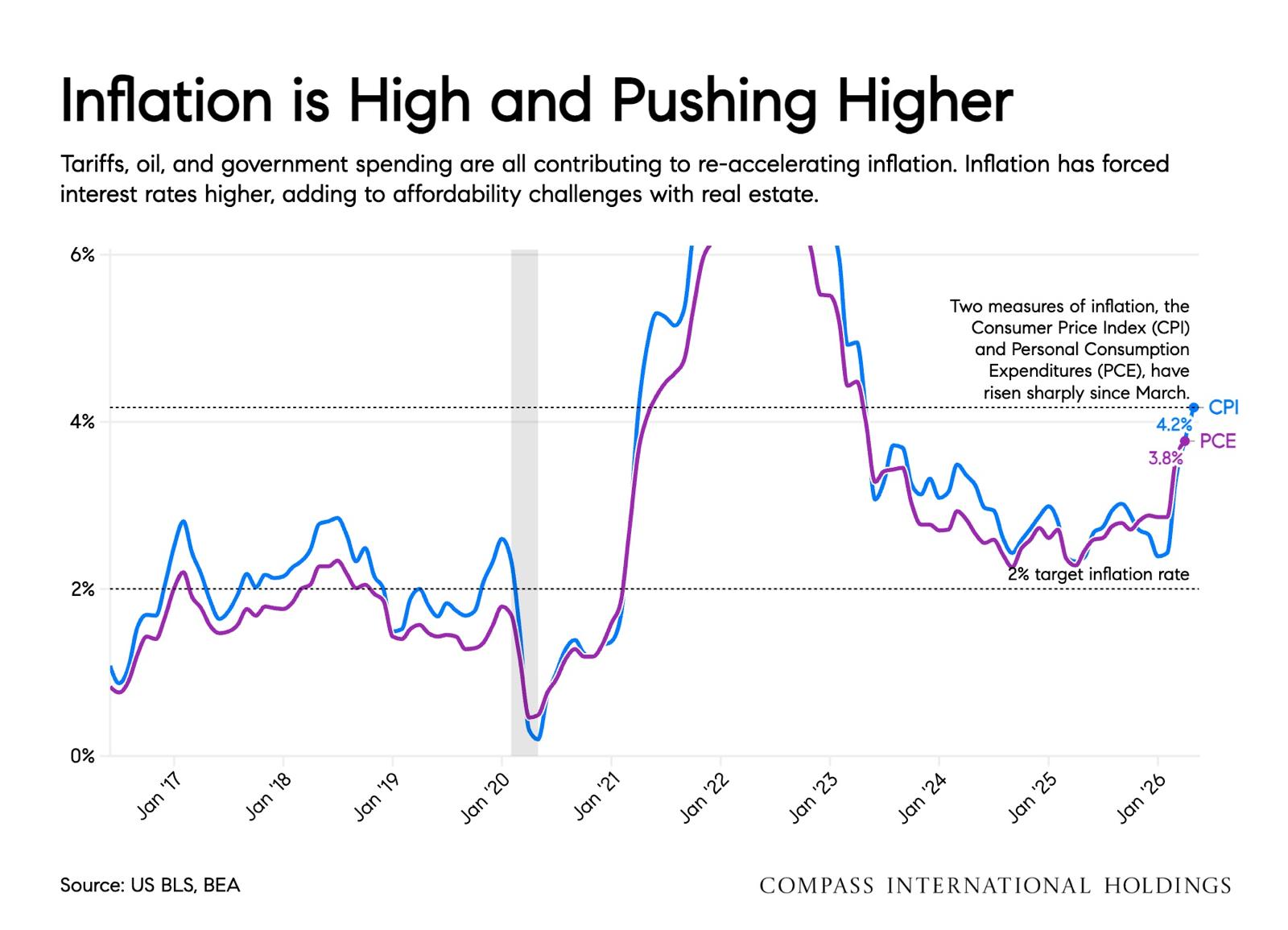
Mortgage rates have moved back into the mid-6% range after briefly falling below 6%, while inflation has proven slower to ease than many economists expected. Those conditions have tempered affordability and continue to influence buyer behavior.
Yet the broader picture tells a more balanced story.
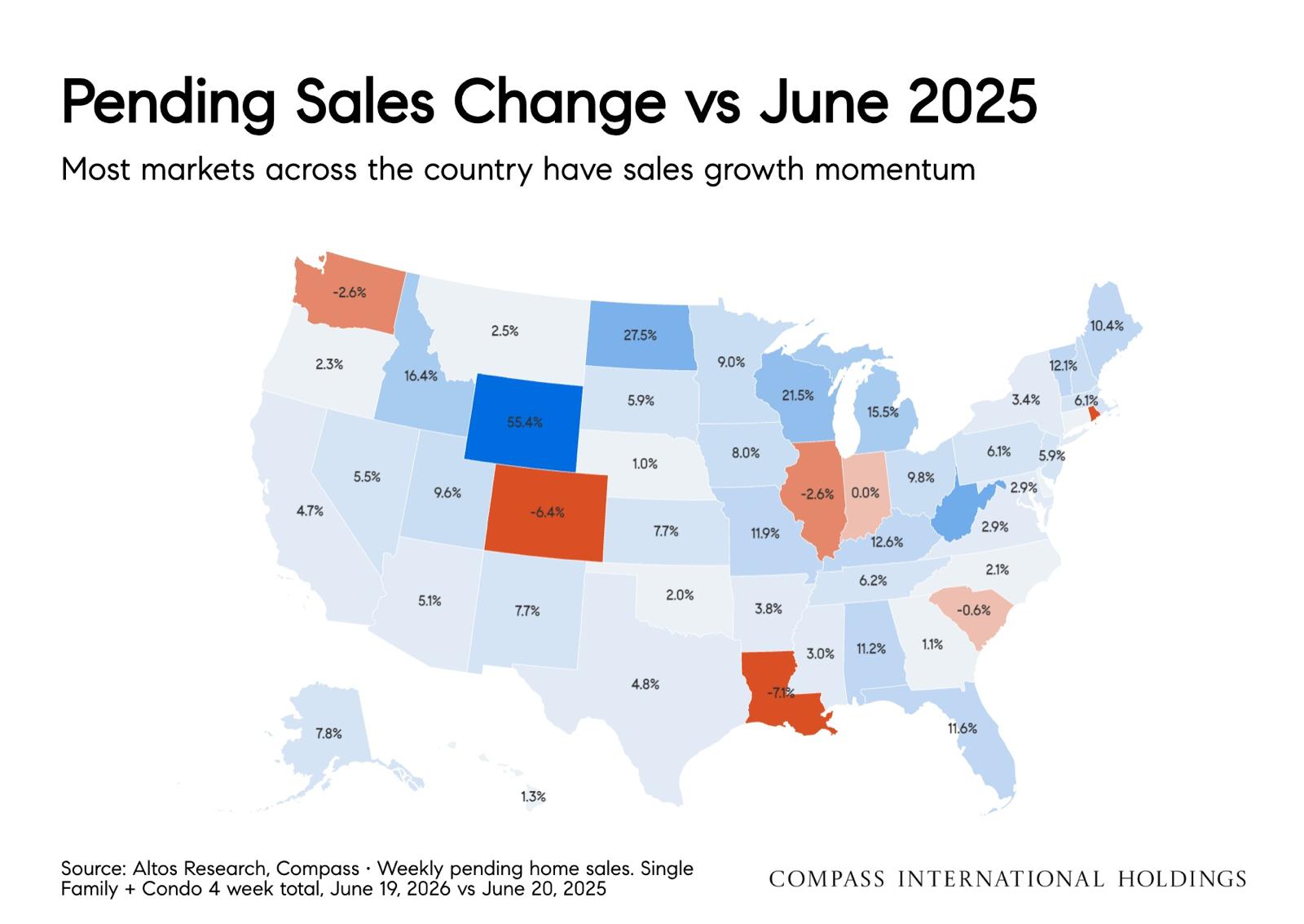
Pending home sales are gaining momentum across much of the country, home prices continue to post modest year-over-year gains, and the feared wave of institutional investors competing with everyday buyers has largely subsided as many have shifted their focus toward developing rental housing instead.
Like most markets, residential real estate is adapting to a new environment rather than returning to the exceptionally low interest rates of recent years.
Buyers and sellers are recalibrating, inventory is gradually improving, and pricing remains supported by long-term supply constraints.
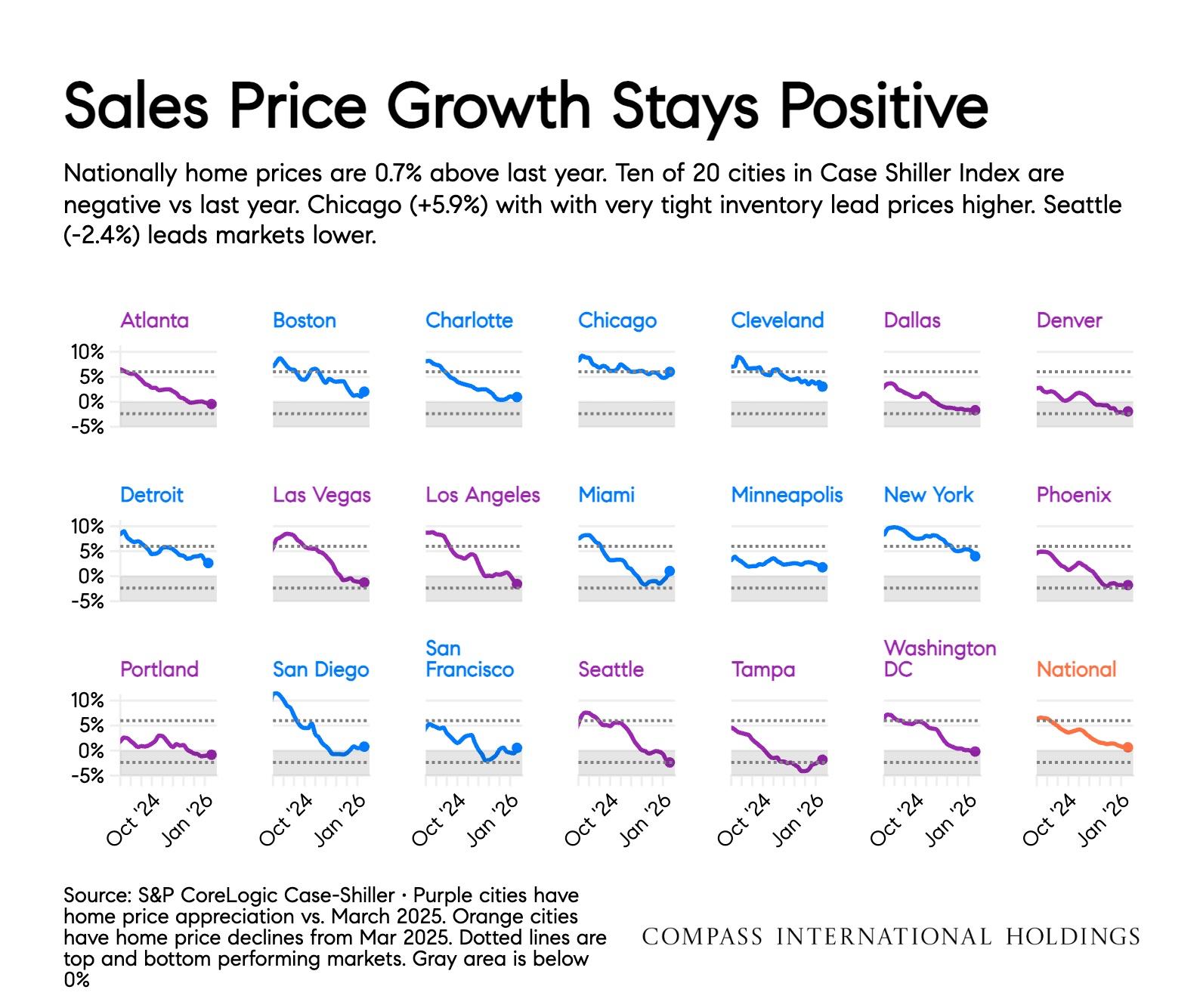
Who Really Owns America’s Homes?

One of the most debated topics in housing has been the role of institutional investors.
This week Congress passed a landmark, bipartisan bill aimed at making housing more affordable. One provision restricts institutional investors from buying existing homes.
But how many do they really own?
Spoiler alert: not a lot, according to a report from CJ Patrick Company. And in fact, institutional homeowners have been selling more than buying over the past nine quarters as they put funds into other investments and shift toward building rental homes.
Do they really compete with the average Joe? Depends who you ask. The report notes that investors tend to focus on buying older, lower-priced homes in need of repair. The average price of their purchases in the first quarter was $431,282, well below the U.S. average of $514,600, suggesting these firms are generally competing in a different segment of the market than most buyers.
2 World Trade Center
The final piece of a remarkable transformation.
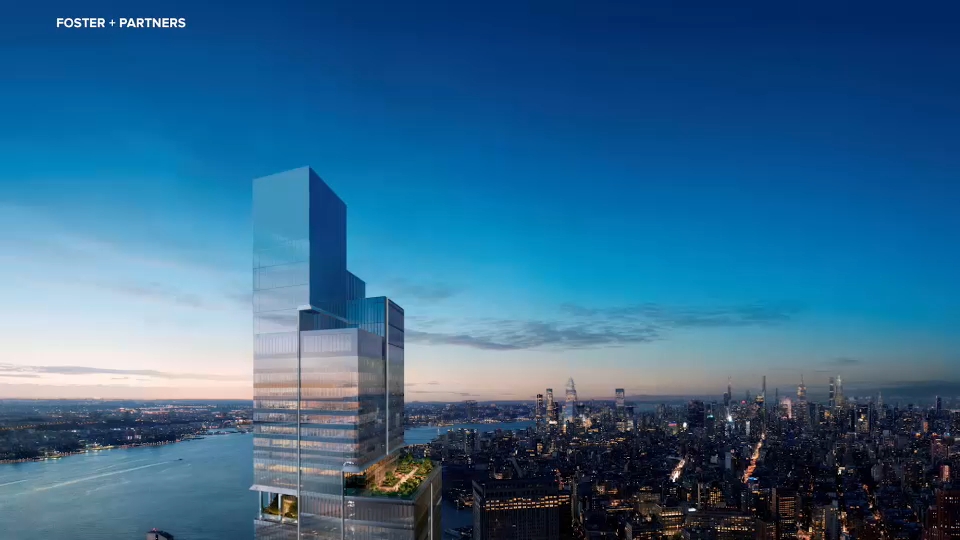
This past Thursday, Mayor Zohran Mamdani, Governor Kathy Hochul, developer Larry Silverstein, and other city leaders gathered to break ground on 2 World Trade Center, marking the beginning of the final office tower on the World Trade Center campus—nearly 25 years after the attacks of September 11.
Designed by Foster + Partners, the new tower will become the global headquarters of American Express and complete the final chapter of one of the most ambitious urban redevelopment projects in modern history.
For me, however, the story isn’t simply about another skyscraper. It’s about the extraordinary transformation of Lower Manhattan.
When I first moved to New York, lower Manhattan was largely a nine-to-five financial district. After the trading floors closed, the streets emptied. Few people thought of spending a Saturday afternoon there, much less living there.
Today, it is an entirely different neighborhood.
Thousands of new residential apartments have brought a permanent population downtown. Brookfield Place transformed the Hudson waterfront into one of the city’s premier destinations for shopping, dining, and public space.
The Perelman Performing Arts Center has added a major cultural institution just steps from the Memorial.
The waterfront has been reimagined through a continuous network of parks and promenades stretching from Battery Park City to the Seaport.
Luxury residential towers, destination hotels, acclaimed restaurants, waterfront parks, and new public spaces have transformed Lower Manhattan into a true 24-hour neighborhood; one where people now choose not only to work, but to live, dine, shop, and spend their weekends.
Santiago Calatrava’s Oculus—conceived as a bird released into flight—has become one of New York’s most recognizable spaces. Standing beside One World Trade Center, it symbolizes not only extraordinary design, but a city that chose to rebuild with ambition rather than simply replace what was lost.

The Oculus, designed by Santiago Calatrava, with One World Trade Center rising beyond—a powerful symbol of Lower Manhattan’s remarkable transformation.
The groundbreaking of 2 World Trade Center is another milestone in the remarkable transformation of Lower Manhattan. Landmark investments of this scale do more than reshape the skyline. They reinforce New York’s enduring ability to reinvent itself. That confidence has helped transform Lower Manhattan into one of the world’s most compelling neighborhoods, where business, culture, architecture, and residential life come together in a way few cities can match.
Shaver Hall
A historic Fifth Avenue landmark reimagined as a world-class culinary destination.
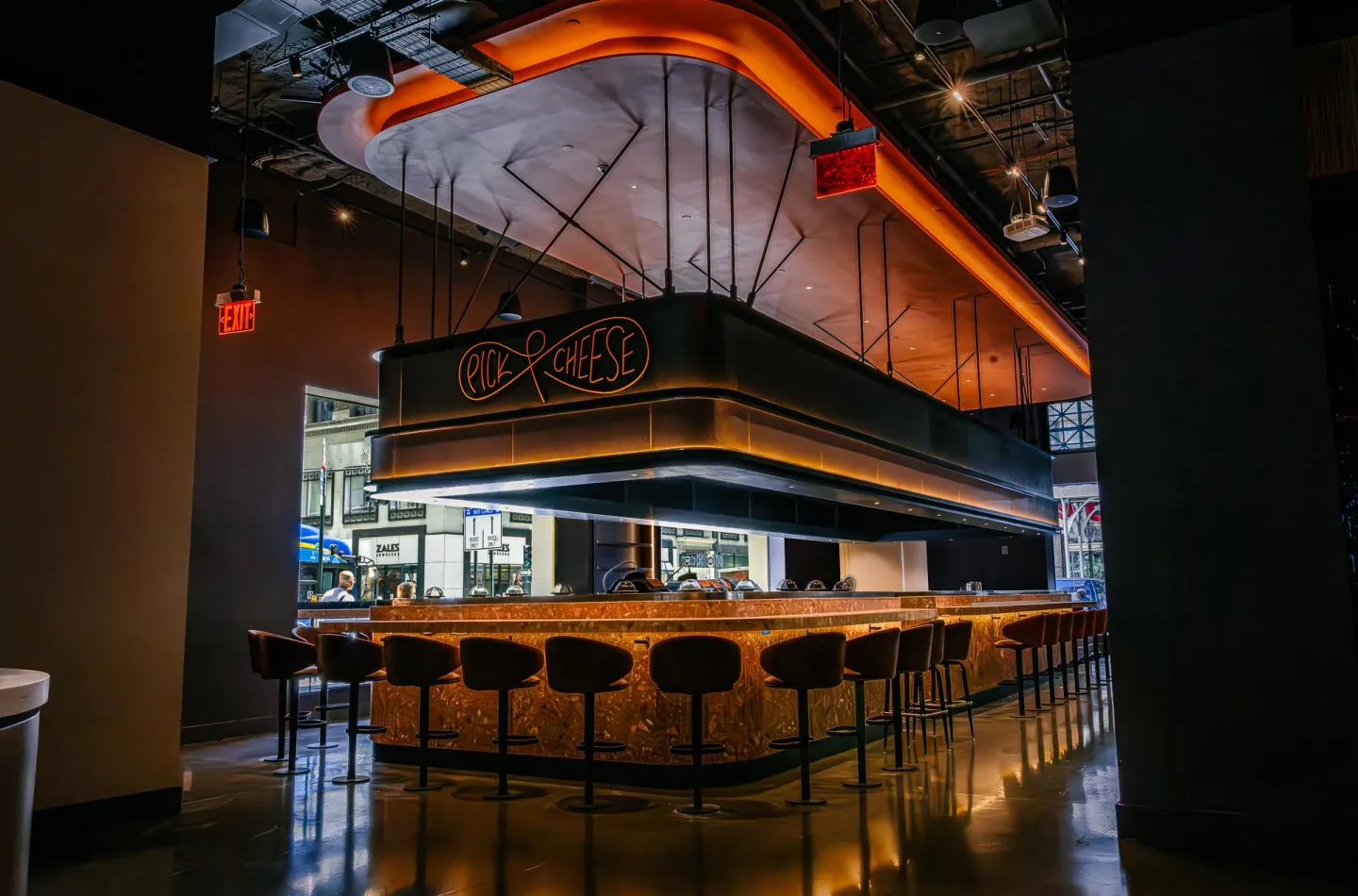
New York has never been short on exceptional dining destinations, but this summer the city welcomed one of its most ambitious new culinary concepts.
Opened on June 26, Shaver Hall transforms the landmark former Lord & Taylor flagship on Fifth Avenue into a 35,000-square-foot culinary destination, bringing together celebrated New York institutions alongside acclaimed chefs from around the world.
Named after Dorothy Shaver, the pioneering president of Lord & Taylor and the first woman to lead a major U.S. retail company, the hall thoughtfully reimagines one of Manhattan’s most iconic buildings. The project reflects a broader transformation taking place across New York, where historic properties are finding new life as vibrant destinations for culture, dining, and community.
More than a culinary destination, Shaver Hall was designed as a gathering place: A central cocktail bar, a self serve wall featuring beers, wines, and cocktails on tap, a neighborhood market, and future programming including live music and DJ performances aim to make it as much a gathering place as a dining destination.
As Midtown continues to evolve, with premier office developments, luxury hotels, residential conversions, and destination retail, Shaver Hall is a reminder that New York’s greatest buildings rarely become obsolete. Instead, they find new purpose. It is that constant reinvention, while preserving the city’s extraordinary architectural legacy, that keeps New York unlike anywhere else.