
Jazz. MoMA. The Hamptons.
This week from Greenwich Village jazz history to a Marcel Duchamp retrospective at MoMA, the buildings redefining Manhattan's luxury market, and the changing Hamptons.
Contents
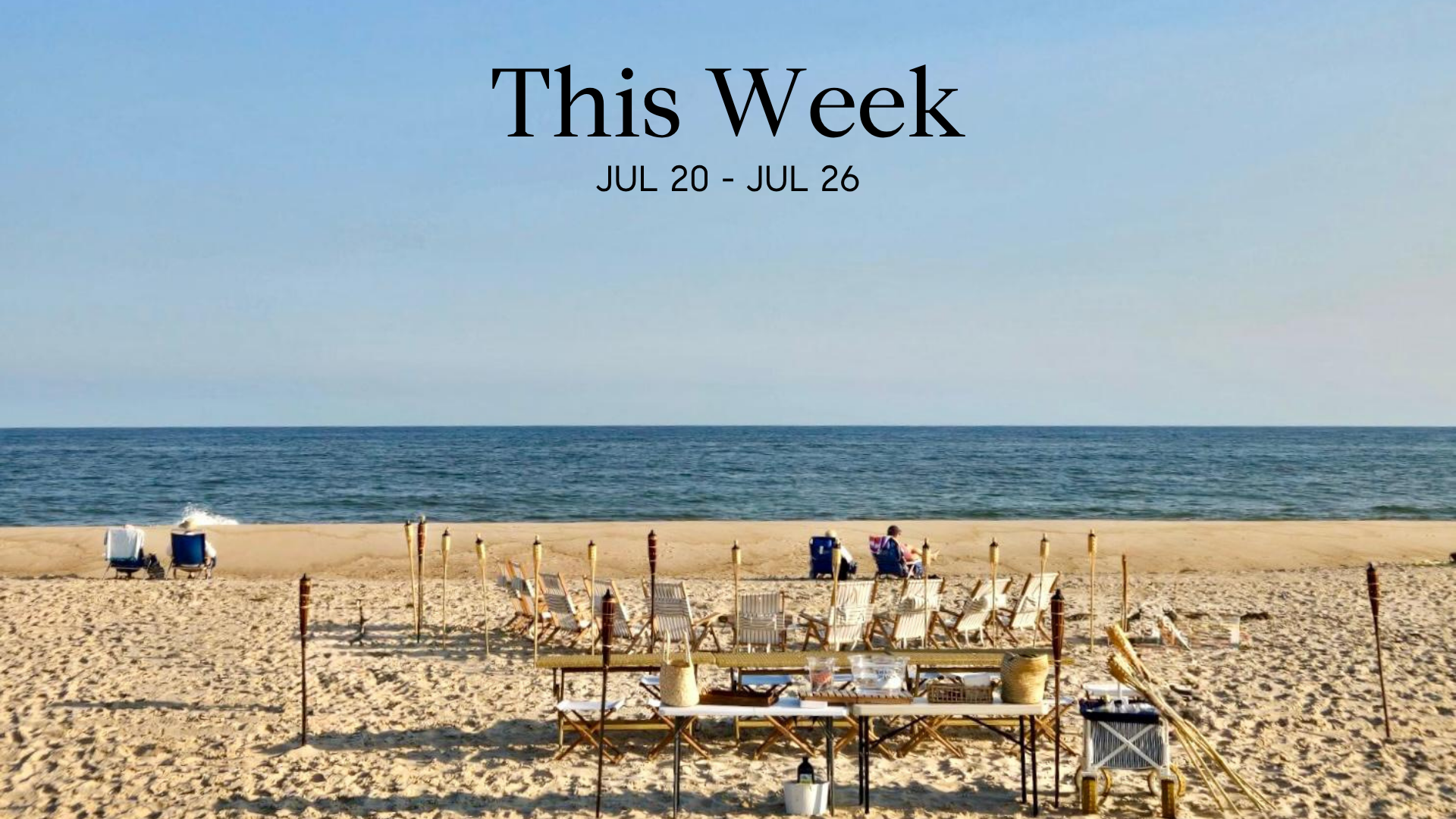
Summer on the East End. A quiet moment on the beach. A reminder, of why New Yorkers have been escaping to the Hamptons for generations.
This week took me from Greenwich Village to MoMA, from downtown jazz history to the Hamptons, and to market reports that reinforce how in New York, culture, architecture, and real estate are never separate stories. They’re different chapters of the same one.
The Streets That Changed American Music
And the music that helped shape downtown Manhattan
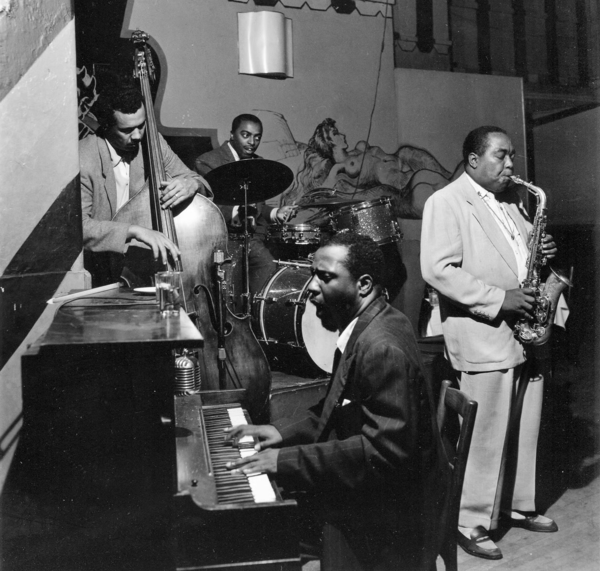
Above: Charles Mingus, Roy Haynes, Thelonious Monk, and Charlie Parker perform at the Open Door, 55 W 3rd Street (Bob Parent)
A few days ago, I attended a fascinating program presented by Village Preservation (formerly the Greenwich Village Society for Historic Preservation). The class explored the history of Greenwich Village, the East Village, and NoHo—not only through their architecture and urban development, but also through the music that helped define these neighborhoods and, in many ways, American culture itself.
If you’ve ever wandered these streets and wondered about the stories hidden behind their historic facades, there is far more to discover than beautiful townhouses and tree-lined blocks.
While jazz is deeply rooted in Harlem, downtown Manhattan became one of the places where the music evolved. According to Village Preservation’s Jazz History Project, jazz first arrived in Greenwich Village during Prohibition, when musicians performed in neighborhood speakeasies. After Prohibition ended, the Village’s smaller clubs developed a distinct identity, welcoming intimate performances and, notably, integrated audiences at a time when that was far from the norm.
By the 1950s, Greenwich Village had become one of the world’s great jazz centers. Clubs like the Village Vanguard, Café Bohemia, and the Five Spot became gathering places where musicians experimented, collaborated, and continually pushed the music in new directions. As the jazz scene expanded into the East Village and later NoHo, these neighborhoods became home to generations of artists, helping shape the course of American music.
What I found especially interesting was how closely the neighborhoods evolved alongside the music. Long before they became some of Manhattan’s most desirable residential addresses, they were places where creativity flourished. That history still feels woven into the character of these streets today.
It’s easy to admire Greenwich Village for its architecture and timeless charm. But many of New York’s defining cultural moments happened here as well, often behind buildings we pass without a second thought.
If you’re looking for a different way to explore downtown, I highly recommend Village Preservation’s Jazz History Project (link below). It’s a wonderful resource—and another reminder that some of New York’s richest stories aren’t found only in museums. They’re embedded in the city itself.
Source: Village Preservation, Jazz History Project.
What Makes Something Art?
Learning from Marcel Duchamp at MoMA
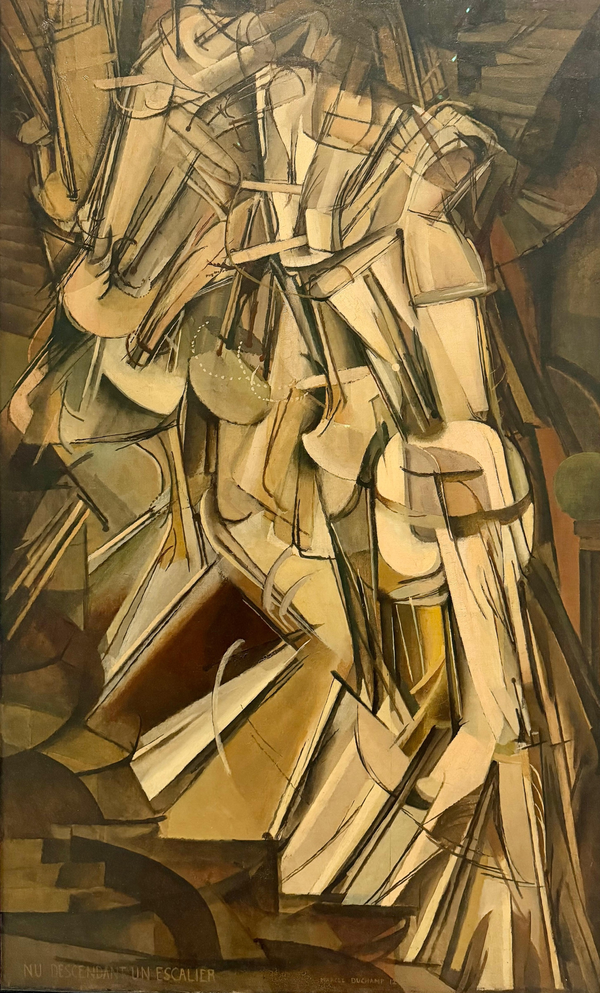
Nude Descending a Staircase (No. 2) Neuilly, 1912 Oil on canvas.
From MoMA’s description: [This painting} answers Duchamp’s desire to portray a moving subject. The figure descends from the upper left to lower right corner of the canvas, activating nearly the entirety of the pictorial field and evoking recent developments in photography and cinema. The artist’s name, the painting’s date, and its title are inscribed at the lower left edge. Duchamp later noted that he liked “the use of words as a means of adding color … of adding to the number of colors in a work.” The title certainly played a role in the notoriety this painting won upon its appearance in the Armory Show in New York in 1913.
I visited MoMA with a friend last week to see the museum’s major Marcel Duchamp retrospective, the first comprehensive exhibition of his work in the United States since 1973. Walking through the exhibition, I was reminded why MoMA considers him one of the most influential artists of the twentieth century.
Standing in front of one of my favorite works in the exhibition, Nude Descending a Staircase (No. 2), it’s hard to imagine the controversy it created when it was exhibited at New York’s Armory Show in 1913. Today it feels surprisingly contemporary. At the time, however, its fragmented depiction of movement challenged many of the conventions of painting and helped redefine what modern art could be.
One of the things I enjoyed most about the exhibition was learning more about Duchamp’s extraordinary influence. As the exhibition explains, over the course of six decades he challenged long-held assumptions about originality and the definition of art itself. More than perhaps any other modern artist, he encouraged viewers to think as much as they looked.
And as I walked through the galleries, I realized I was spending as much time thinking as looking. More than a century later, Duchamp is still inviting us to consider the same question: What makes something art?
It also struck me that this exhibition followed closely on the heels of my exploration of Greenwich Village’s jazz history. At roughly the same time that musicians like Charlie Parker, Billie Holiday, and Thelonious Monk were expanding the possibilities of music, Duchamp was expanding the possibilities of art. Different disciplines, but the same spirit of experimentation and a willingness to challenge convention.
Source: The Museum of Modern Art exhibition, Marcel Duchamp.
When One Building Can Change a Neighborhood
The projects redefining Manhattan’s luxury market
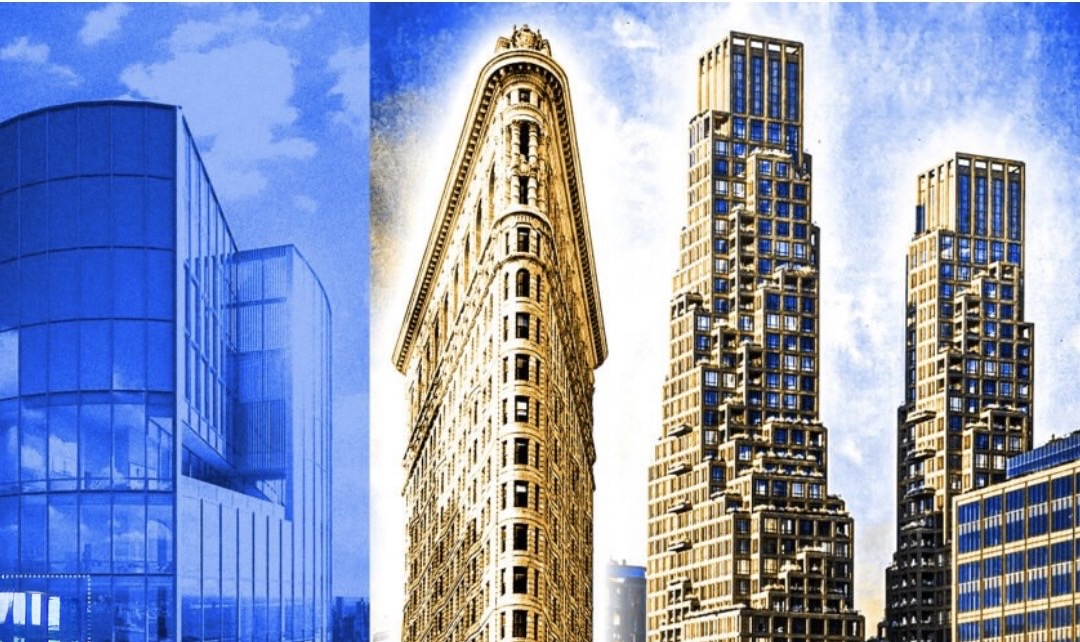
35 Hudson Yards; the Flatiron Building; 80 Clarkson Street (The Real Deal)
One of the more interesting market reports I read this week came from The Real Deal. It highlighted something we’ve been seeing across Manhattan for several years: in some neighborhoods, a single exceptional development is now driving much of the luxury market.
- In Hudson Yards, 35 Hudson Yards accounted for the overwhelming majority of luxury contracts last quarter.
- In Flatiron, the residential conversion of the iconic Flatiron Building generated nearly three-quarters of the neighborhood’s luxury activity.
- And in the West Village, 80 Clarkson, already one of the city’s most closely watched new developments, continues to set a new benchmark for pricing.
These projects do more than sell apartments but also attract buyers who might not otherwise have considered a neighborhood, establish new pricing benchmarks, and often reshape perceptions of an entire area.
The report also raises an interesting question: what happens once these landmark developments are sold?
With Manhattan’s pipeline of new luxury condominium projects shrinking, there are relatively few buildings waiting in the wings to replace them. That could leave future sales increasingly concentrated in a handful of exceptional addresses while making new inventory even harder to find.
It’s another reminder that, in New York, a truly significant building doesn’t simply add residences to the skyline. It can influence an entire neighborhood for years to come.
The Hamptons Move Further Upmarket
How the East End has evolved
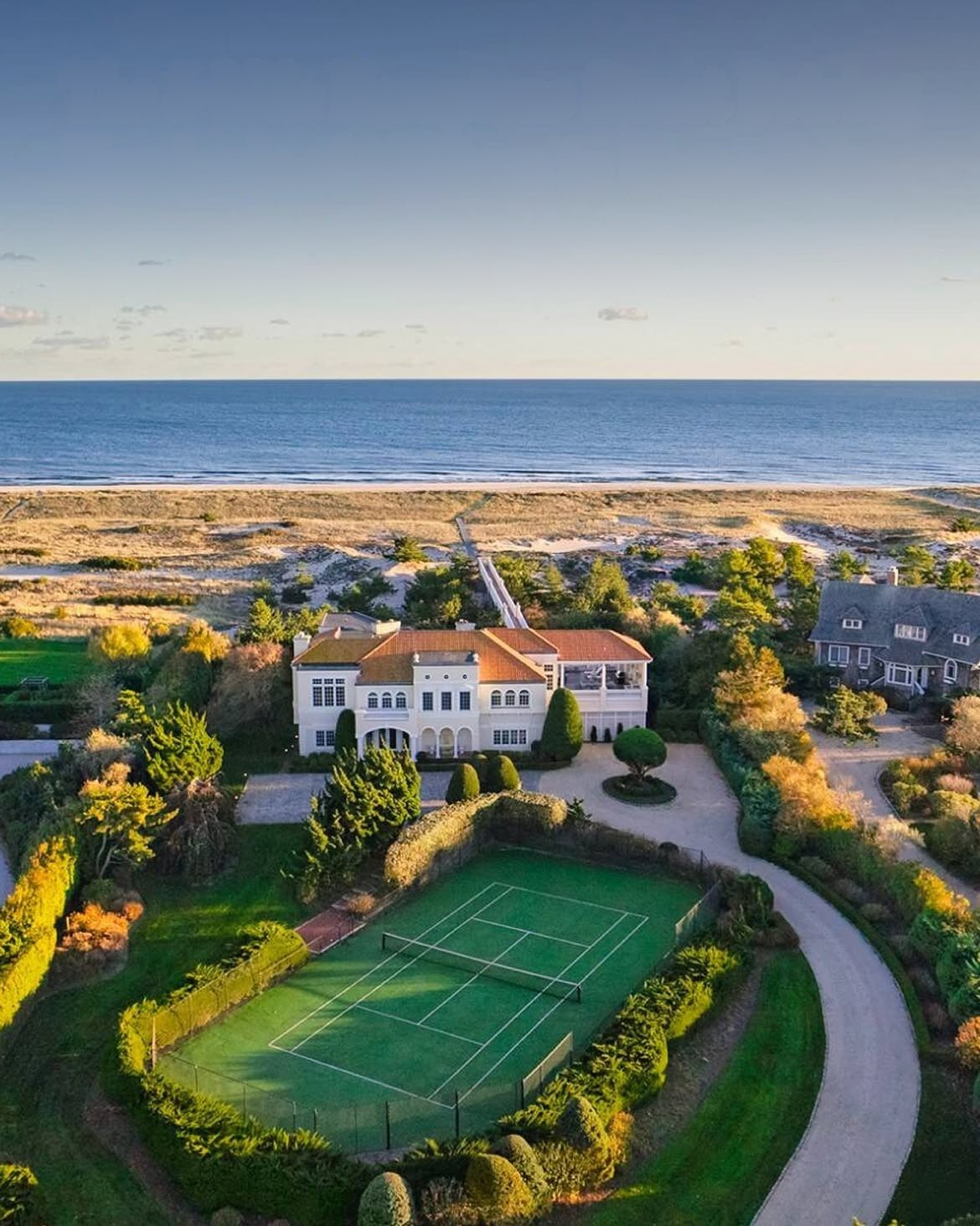
A walk through the Hamptons today reveals a very different landscape than it did fifteen or twenty years ago.
The modest beach cottages and shingled summer homes that once defined much of the East End are steadily disappearing, replaced by larger residences designed for a new generation of affluent buyers. It’s not simply a story of rising home prices. The housing stock itself is changing.
According to appraiser Jonathan Miller, homes priced below $1 million represented roughly half of all Hamptons sales fifteen years ago. Today, they account for just 18% of transactions. As land has become increasingly scarce—and increasingly valuable—it often makes more economic sense to replace a smaller home than to renovate it.
At the other end of the market, demand remains remarkably strong. During the first quarter, sales above $10 million increased 12.5% from a year earlier, while transactions above $20 million surged nearly 73%.
On Southampton’s prestigious Meadow Lane alone, nearly a dozen properties have traded since the beginning of 2025, totaling more than $220 million.
Jonathan Miller projects the Hamptons could reach a record 121 sales above $10 million this year, surpassing both 2025 and the pandemic era peak.
For many Manhattan buyers, the Hamptons has long been a natural extension of the city’s luxury market. Historically, strong financial markets have translated into stronger demand on the East End, and that relationship appears to be reasserting itself.
The disappearing beach cottage is more than a nostalgic observation. It reflects a broader shift in how land is valued, how wealth is created, and how one of America’s most iconic summer destinations continues to evolve.
Sources: Jonathan Miller / Miller Samuel; Compass Hamptons Market Report.