What Great Cities Choose to Build
A few observations on cities, architecture, and the extraordinary structures we build to celebrate art and sport—from LACMA's Geffen Galleries to SoFi Stadium.
Contents
Two visions of New York ambition: Santiago Calatrava’s Oculus and One World Trade Center rising into the clouds.
A few observations this week on cities, architecture, and the extraordinary structures we build to celebrate art and sports.
LACMA’s David Geffen Galleries
Peter Zumthor’s Masterpiece in Los Angeles
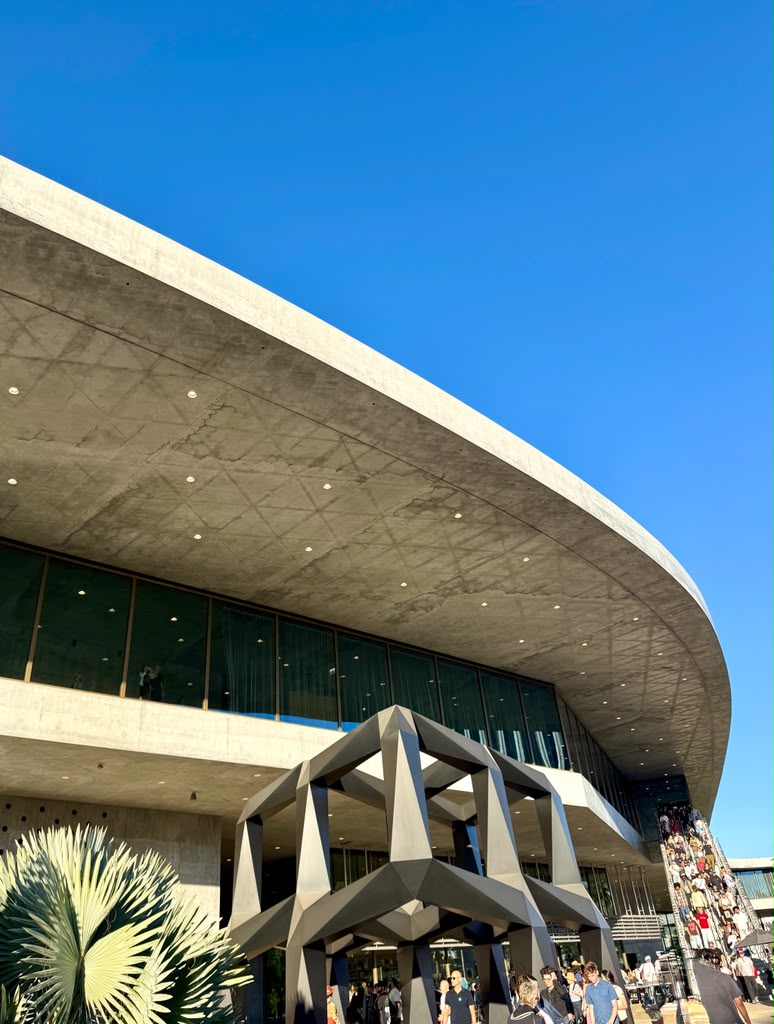
The newly opened David Geffen Galleries at LACMA, designed by Peter Zumthor, with Tony Smith’s Smoke (1967) anchoring the entrance plaza. I was struck by how powerfully the architecture, public space, sculpture, and art work together to create an unforgettable experience.
Last week, I had the pleasure of visiting the newly opened David Geffen Galleries at LACMA (opened in April), and I was struck by how powerfully the architecture shapes the entire experience. Designed by Pritzker Prize-winning Swiss architect Peter Zumthor after nearly two decades of planning, the building is unlike any traditional museum I have visited.
Its sweeping, curved elevated form stretches gracefully across Wilshire Boulevard, appearing to float above the city. Supported by a series of irregular concrete pavilions, the 347,000-square-foot structure lifts visitors above street level while expansive floor-to-ceiling windows allow them to experience the art, the architecture, and the city beyond simultaneously (Galerie Magazine.)
What fascinated me most was that the building deliberately rejects the traditional museum experience. Rather than organizing art chronologically or by geography, LACMA’s curators have arranged works around four great bodies of water: the Pacific, Atlantic, Indian, and Mediterranean. This created unexpected conversations across cultures, continents, and centuries. Ancient sculptures sit near contemporary works. Asian art appears alongside European painting. The goal is not to teach a linear history of art, but to encourage discovery and surprise.
Peter Zumthor has said that he wanted visitors to experience art “in Los Angeles and not in a box.” That ambition is evident everywhere. The galleries are filled with natural light that changes throughout the day, with views outward to the city and inward toward the art, creating a museum experience that feels simultaneously intimate and expansive.
As someone who appreciates exceptional design, I found the building itself every bit as inspiring as the art it houses. It was a powerful reminder that great architecture is not merely about creating beautiful spaces; it shapes how we experience culture and even one another. Whether it’s a world-class museum or a thoughtfully designed home, architecture has the power to transform the way we see and interact with our environment.
And while I was in Los Angeles reflecting on one of America’s newest cultural landmarks, New York was celebrating one of its own: the opening of the New-York Historical Society’s new wing and the Tang Academy for American Democracy. A reminder that great cities continue to invest not only in buildings, but in the cultural experiences they create.
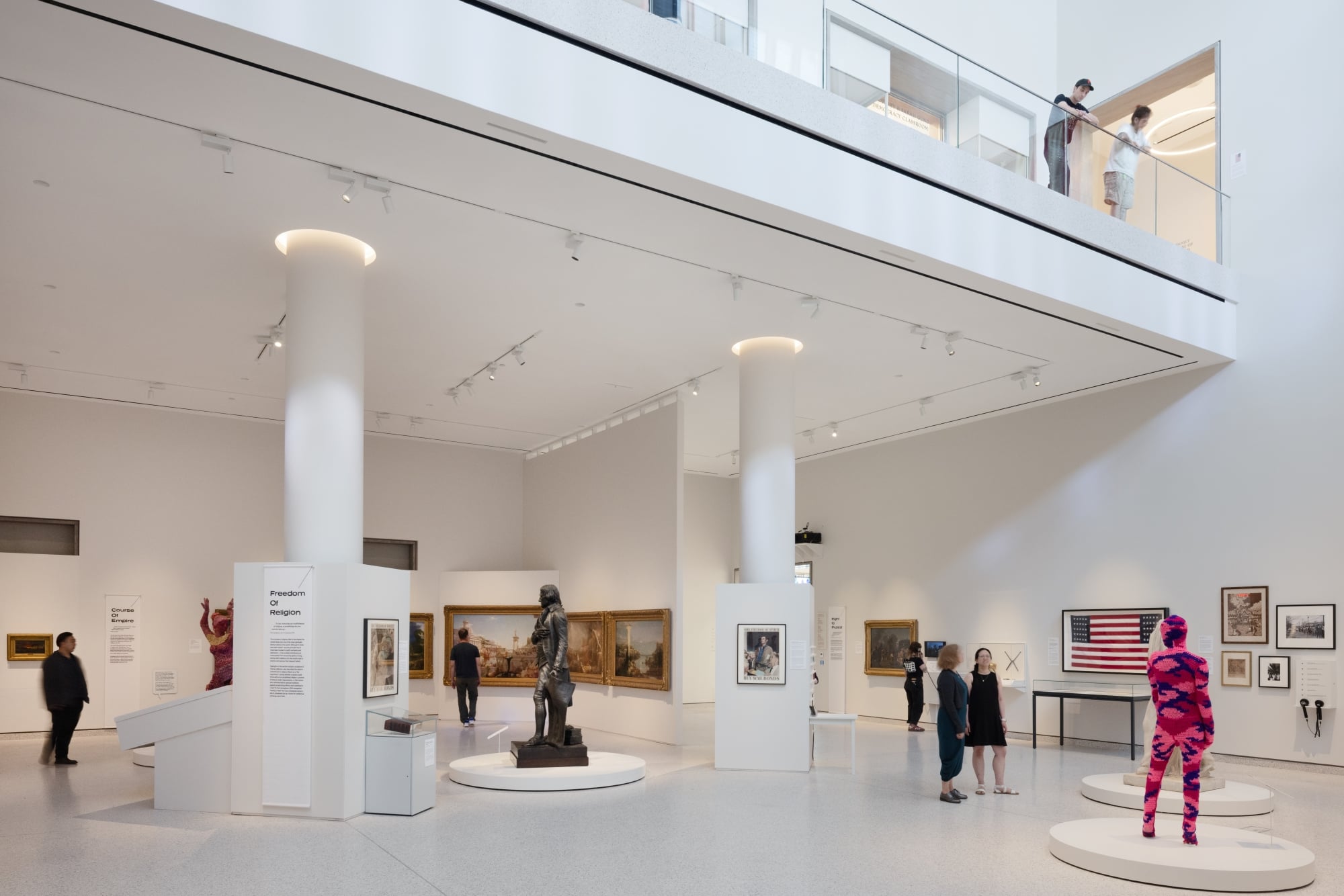
The newly opened Klingenstein Family Gallery at the New York Historical Society.
The $1 Million Starter Home
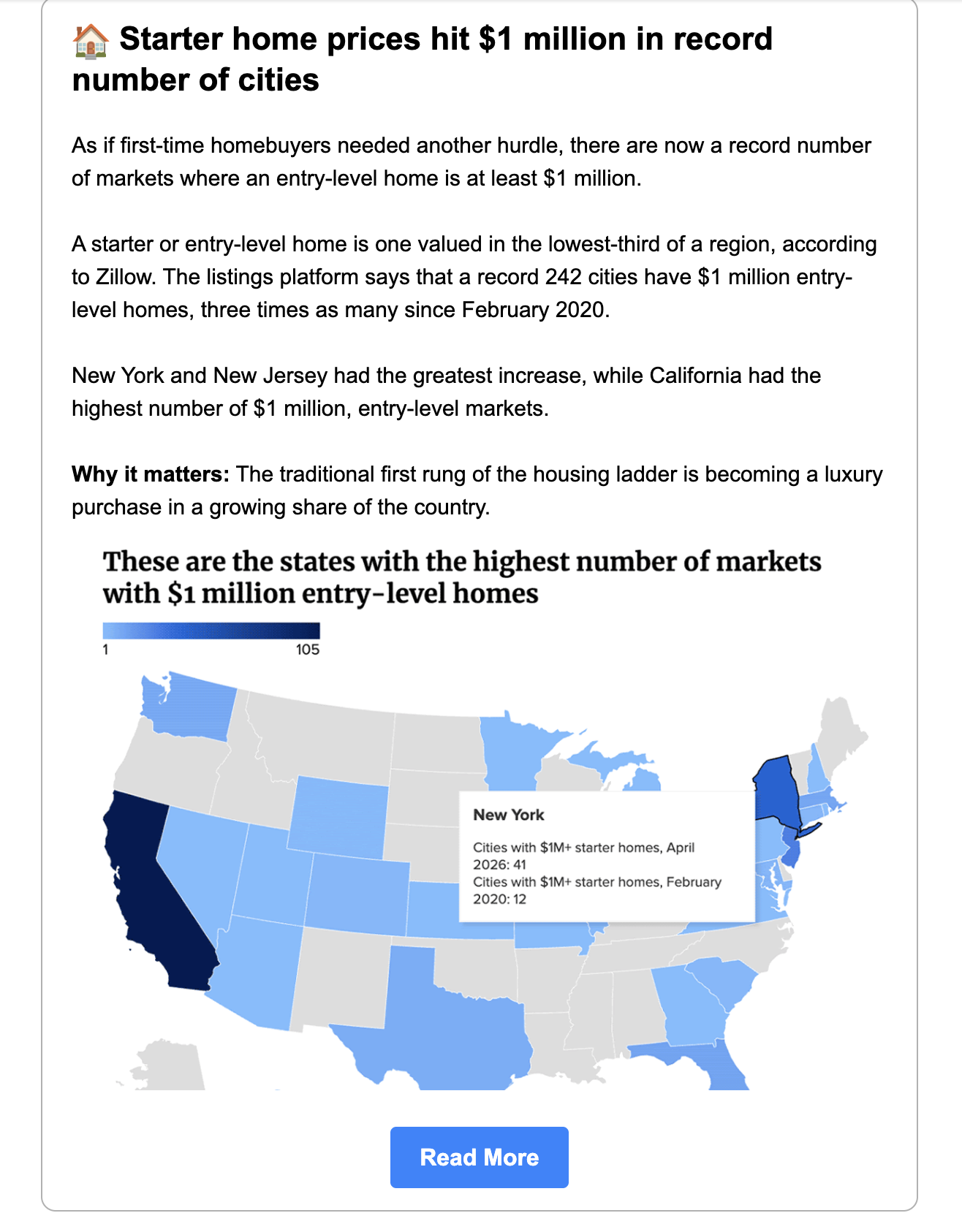
Here’s a statistic that says a great deal about where the U.S. housing market has gone over the past five years: there are now a record number of housing markets in the United States where a starter home costs at least $1 million (Zillow).
A “starter home” here is defined as one valued in the bottom third of a local market. By that measure, there are now 242 cities across the United States where a starter home costs $1 million or more. This is three times as many as there were in early 2020.
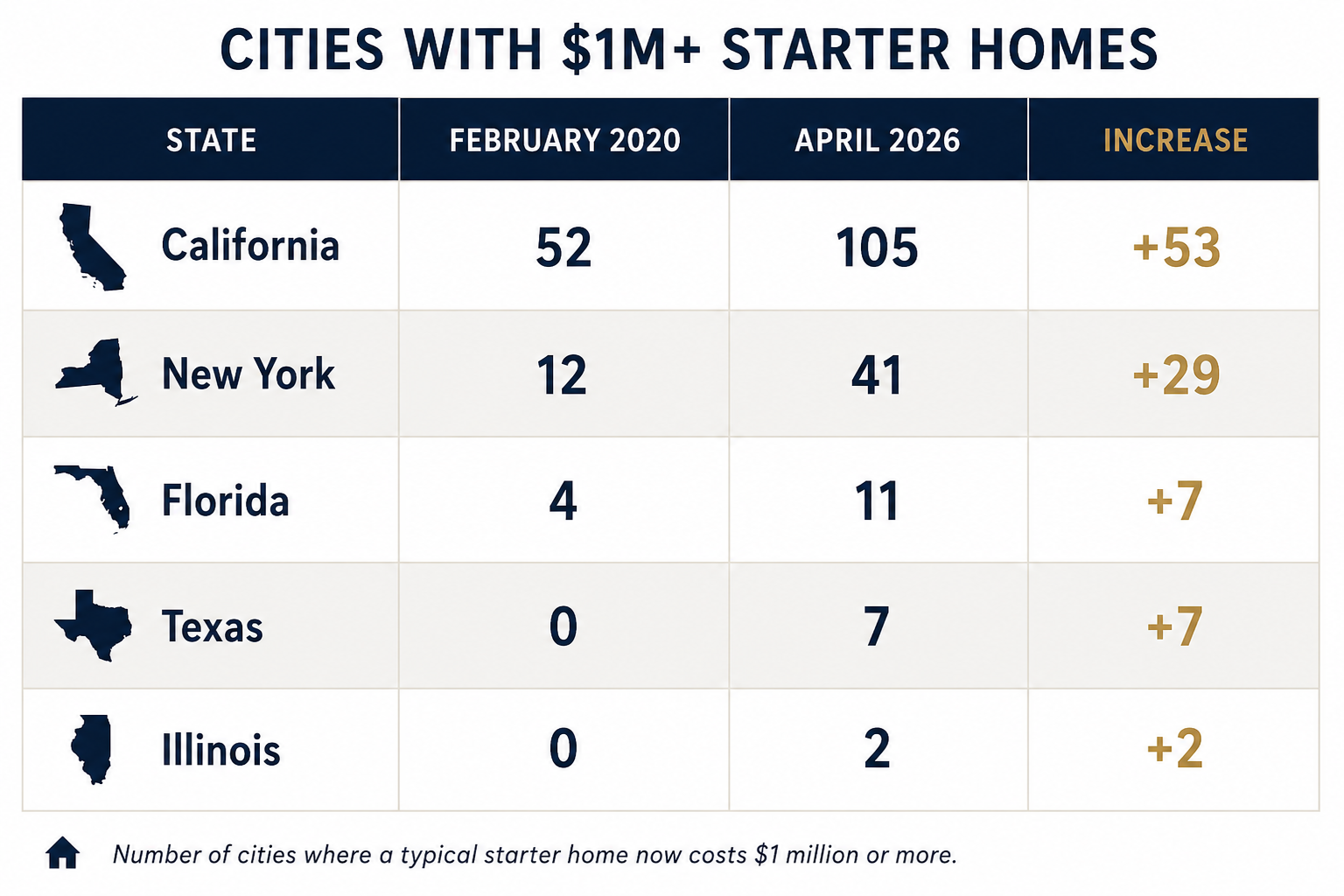
California still has the highest number of $1 million starter-home markets, with 105. But some of the fastest growth has occurred much closer to home. New York has gone from 12 such markets before the pandemic to 41 today—a 242% increase. New Jersey, which had just one market in 2020, now has 26.
Perhaps most striking, the New York metropolitan area (encompassing New Jersey, Long Island, Westchester, and Rockland County) now leads the nation, with 63 cities where the first rung of the housing ladder costs at least $1 million.
And this is no longer just a coastal phenomenon. Texas, which had no $1 million starter-home markets in 2020, now has seven.
It’s a remarkable shift. Perhaps most striking is not the number itself, but what it represents: in a growing number of American cities, a $1 million home is no longer a luxury aspiration. It’s a starter home.
The map below highlights the states with the greatest number of markets where a starter home now costs $1 million or more.
SoFi Stadium
The Architecture of Spectacle
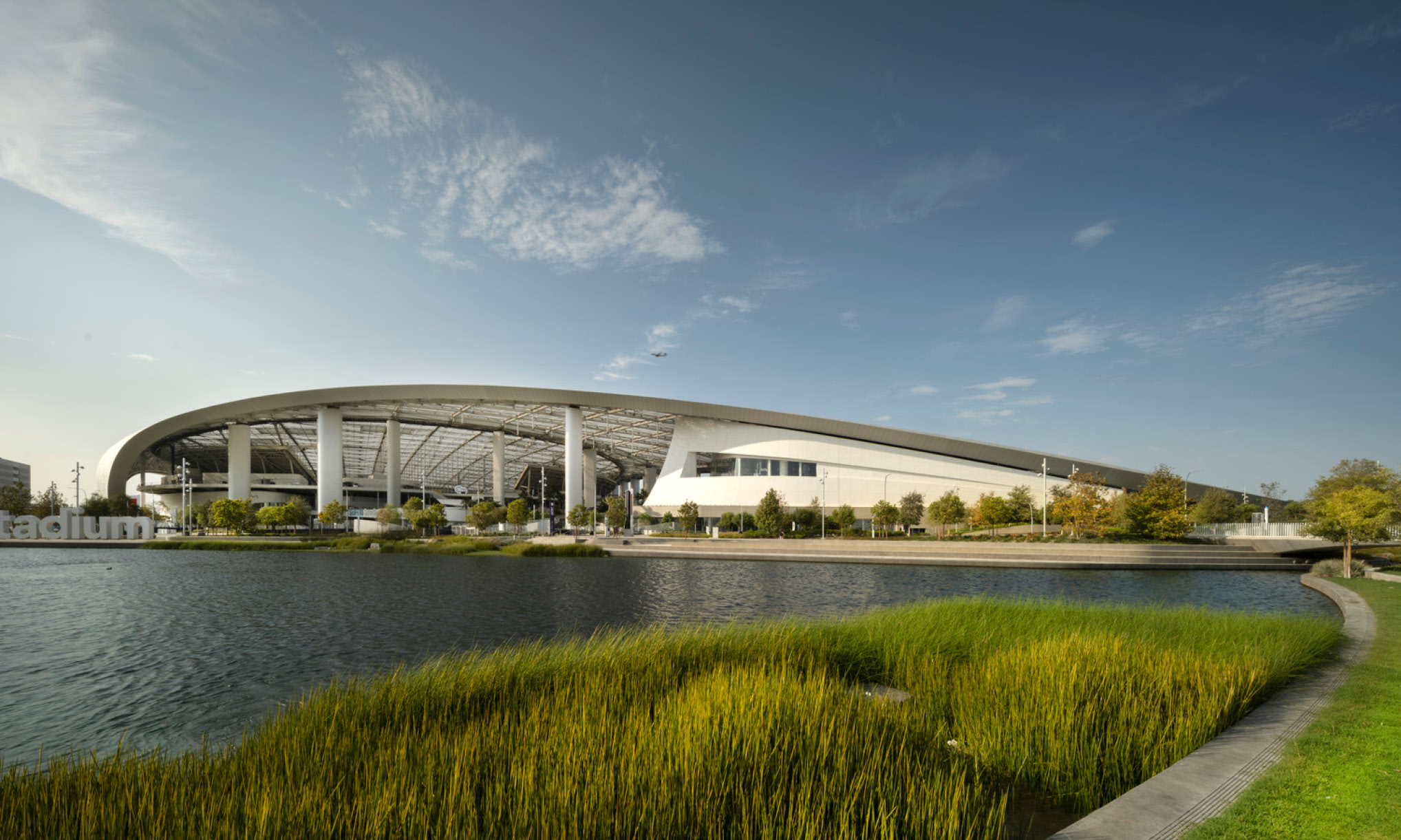
SoFi Stadium in Inglewood, California. Opened in 2020 at a cost of approximately $5.5 billion, the stadium is the centerpiece of the 300-acre Hollywood Park development and one of the most ambitious sports and entertainment projects ever built.
While in Los Angeles, I also had the opportunity to visit SoFi Stadium for the Belgium–Iran World Cup match. Having just experienced Peter Zumthor’s extraordinary David Geffen Galleries at LACMA, I was struck by a surprising realization: although one building was created for art and the other for sport, both inspired the same feeling of awe.
Located just three miles from LAX, SoFi Stadium has already welcomed fans from around the world as a host venue for the 2026 FIFA World Cup.
Opened in 2020 at a cost of approximately $5.5 billion, SoFi is less a stadium than a feat of engineering and urban ambition. Floating above the entire complex is a one-million-square-foot translucent canopy composed of 302 ETFE panels, a lightweight, high-strength polymer often described as a modern alternative to glass. The roof, supported by the world’s largest double cable-net structure, creates the remarkable sensation that the stadium exists both indoors and outdoors simultaneously (HKS Architects.)
Suspended beneath this canopy is the Samsung Infinity Screen. It’s the first double-sided 4K HDR video board ever constructed. Weighing 2.2 million pounds and displaying more than 80 million pixels, it also houses the stadium’s 260-speaker sound system and dozens of 5G antennas (HKS Architects.)
Yet what impressed me most was the experience itself: walking through a building designed to inspire collective emotion on an extraordinary scale. Like Zumthor’s museum, SoFi demonstrates that great architecture is ultimately about shaping human experience.
The comparison with New York is also fascinating. Santiago Calatrava’s Oculus transportation hub, completed in 2016, cost approximately $4 billion. For roughly 40% more, Stan Kroenke built not only the world’s most technologically advanced stadium, but the centerpiece of a 300-acre master-planned district on the site of the former Hollywood Park racetrack.
One project represents civic ambition. The other, private ambition. Both are remarkable expressions of what happens when vision, engineering, and capital converge.
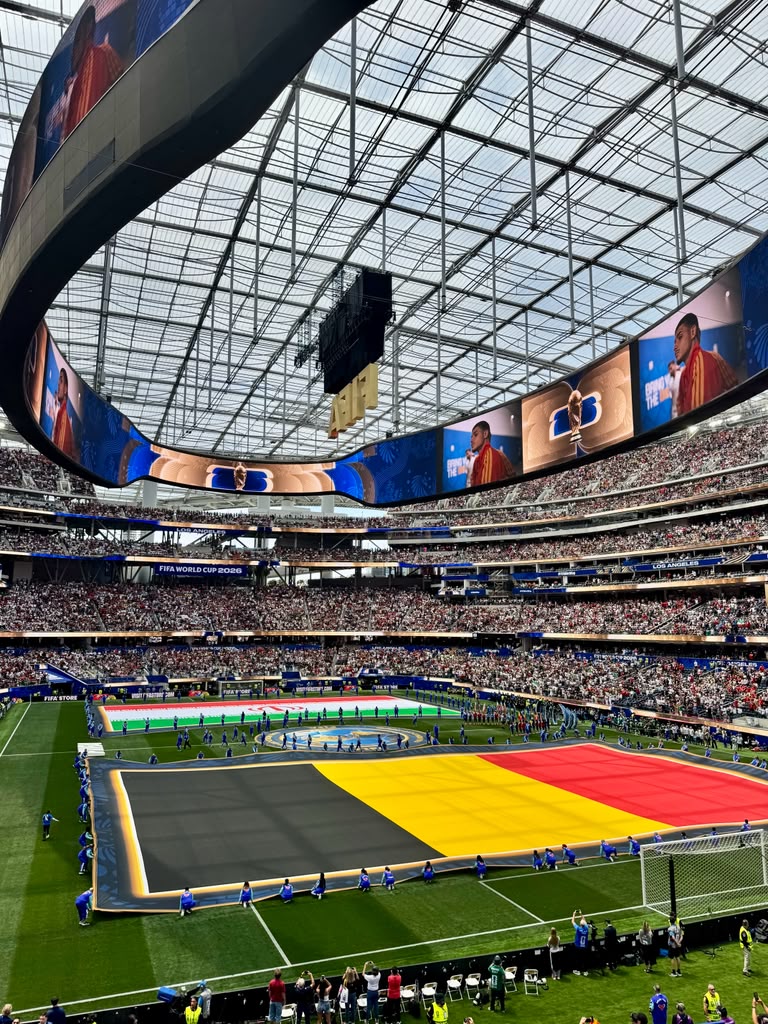
Iran and Belgium at the 2026 FIFA World Cup. Its soaring translucent canopy and monumental engineering create the remarkable sensation of being both indoors and outdoors simultaneously.
Experiencing a match inside SoFi Stadium was a reminder that architecture, like sport, has the power to create collective emotion on an extraordinary scale.
Manhattan Market Report
Every week I track supply, contracts, and momentum across Manhattan to understand where market is tightening and where the real opportunities are hiding. Here’s this week’s data.
Takeaway:
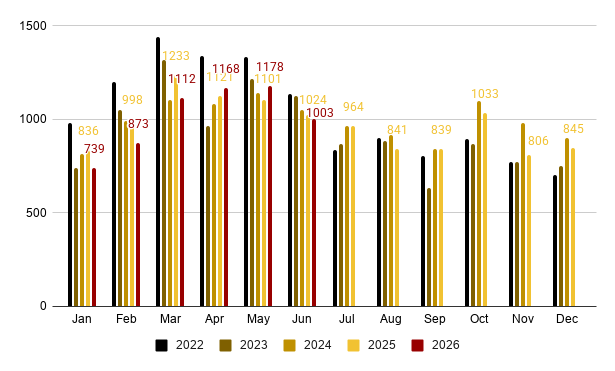
While we still have a few days left of June, it’s still instructive to take a look at the trends so far. The main takeaway is that Manhattan’s market continues to demonstrate a clear bifurcation. While overall activity remains measured, demand at the top end of the market remains remarkably resilient, with $10M+ contracts outpacing prior years. Inventory remains below historical norms, supporting pricing for well-positioned properties.
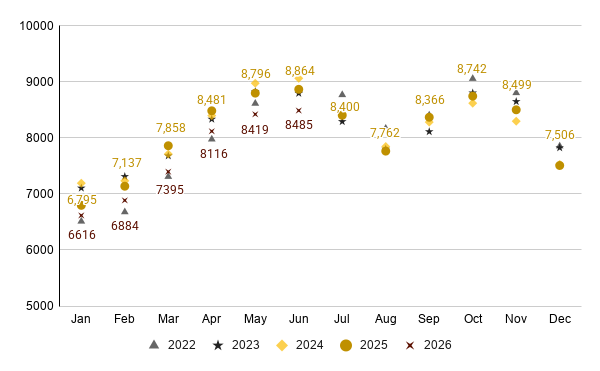
- Inventory: Ticked up slightly in June but remains below historic norms.
Contracts Signed
- Overall Market: It was a strong Spring market compared to the last 2 years.
- The $4M+ market: While strong, there was a pull back from a year ago.
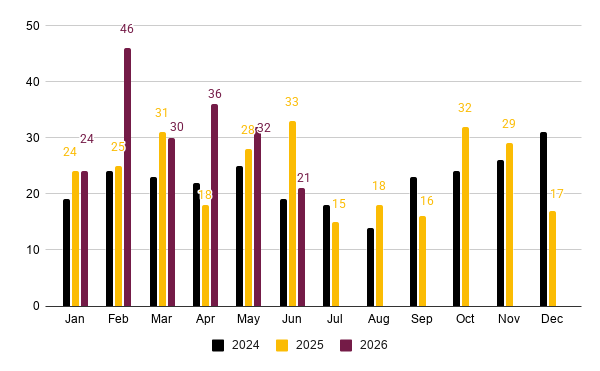
- The $10M+ market continues to be very strong, signaling confidence at the very top of the market.
TOTAL SUPPLY — Average Inventory
OVERALL DEMAND — Contracts Signed
LUXURY ($4M+) — Contracts Signed
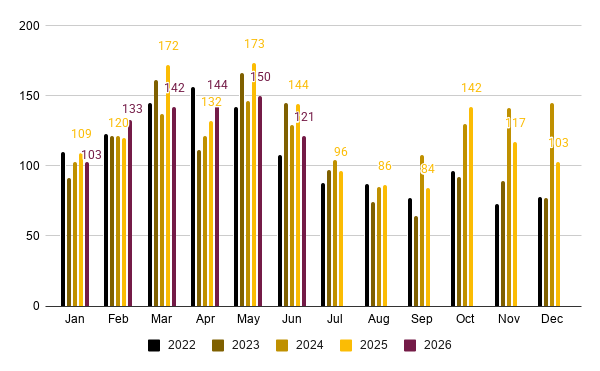
ULTRA-LUXURY ($10M+) — Contracts Signed