
Neighborhoods
Chelsea & Flatiron Luxury Real Estate
From Walker Tower to the cast-iron lofts of Flatiron, Bahar Tavakolian advises buyers and sellers in downtown Manhattan's design-driven core.
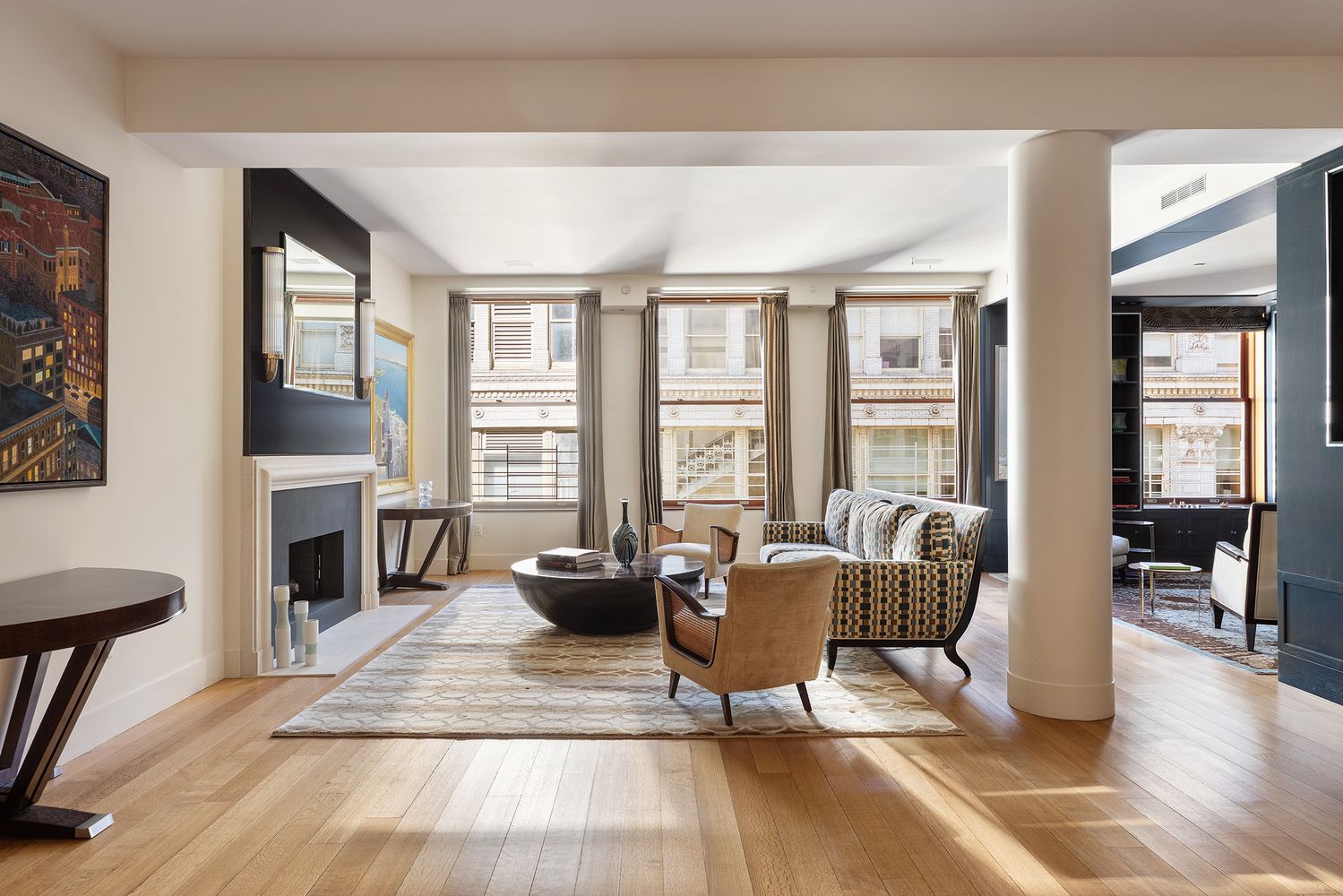
Chelsea and Flatiron are where Manhattan's luxury market turns architectural — the gallery district and the High Line to the west, the cast-iron loft blocks around Madison Square to the east, and a housing stock defined by volume, light, and conversion pedigree. Chelsea luxury real estate is led by condominiums rather than co-ops, which draws a broader, more international buyer pool than the avenues uptown.
Bahar Tavakolian's results here include 212 West 18th Street 11E at $7,900,000 — Walker Tower, the Art Deco landmark that helped define the modern Chelsea conversion — and her current representation of 32 West 18th Street 7B. Flatiron lofts sit squarely within her range; her record includes sales from prewar co-ops uptown to design-forward lofts downtown.
Loft value is a question of judgment as much as measurement — ceiling height, window scale, and the quality of a conversion resist simple comparison. It is the kind of valuation problem a Cornell-trained engineer is well suited to, and the reason clients bring her downtown.
Active in Chelsea & Flatiron
Notable Sales in Chelsea & Flatiron

Buying & selling in Chelsea & Flatiron
What distinguishes a true loft in Chelsea or Flatiron?
Bones. The buildings that anchor this market were built as industrial and commercial space — cast-iron and masonry structures with high ceilings, oversized windows, and long floor plates — and the best conversions preserve that scale. Two lofts of identical square footage can differ sharply in value depending on ceiling height, light, and how intelligently the volume was planned.
How does buying downtown differ from buying uptown?
The market here is predominantly condominium, so purchases move faster and with fewer restrictions — no board interview, freer financing, and flexibility for pied-à-terre and international buyers. The trade-off is that condominium pricing is more transparent and more competitive, which makes disciplined valuation and negotiation strategy the differentiators. It is a market that rewards preparation over pedigree.
What moves value most in Chelsea and Flatiron?
Light and outdoor space first — in a loft district, a key-lit corner or a private terrace commands a real premium. Beyond the residence itself, the building's conversion quality, services, and financial health matter, as does position relative to the High Line, the galleries, and Madison Square. Named buildings with strong provenance, Walker Tower among them, hold their value with unusual consistency.
How does Bahar approach selling a Chelsea or Flatiron residence?
By treating the residence as a design object with a verifiable price. The buyer pool here responds to architecture, so presentation — photography, staging, and the story of the space — is planned with particular care, while pricing stays anchored to closed sales in the building and its true peers. Her sale at Walker Tower followed exactly that discipline.
More answers on our full FAQ — or start a conversation.